

Opinion/Editorial
DON’T CRY FOR ME, VENEZUELA
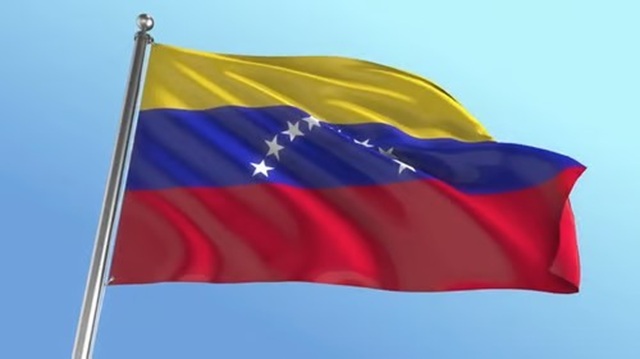
Caracas, the capital of Venezuela, in the spring of 1990 when Perez was president, and the riots of 1989 were over, and the population, although facing continuous but minimally visible unrest (over increase fuel and food prices, even though the country was the leading oil repository of the world and growing 30 percent of the food shipped to the USA) was bustling with activity business and entertainment. Hugo Chavez was still nine years away. I was in Caracas preparing to climb up onto the steppes in the upthrust southern part of the countryside to find and climb down into one of the many and odd “chimney” holes in the hardened magma called Tepui’s.
The CIA mission was to recover the remains of a supposed tour helicopter that had gone down in one of them. I traveled the country getting steeped in the culture, language, and economics of the place. Primarily, a mix of Christian religions predominated, with the Catholic faith, heavily influenced by Santaria, predominating. I had to somehow accommodate the wild Yanomami tribe that controlled the area I was trying to climb down into.
What I found, long before the United States overthrew the government of the country only a few days ago, was a country in peace with a population struggling but dressing formally and well, with good roads, big clean cities, and a population of proud Spanish/Portuguese citizens who were wonderfully helpful and full of enthusiasm even though many segments of the society were plagued by a large percentage of the unemployed living in tenements made mostly of cardboard for shelter. The cost of premium gasoline was twenty-four cents a gallon, which was the single benefit that any regular members of the population ever saw or experienced, even though the country held the largest reserves of oil in the world. Most of the oil being pumped out of the ground was pumped by American companies and shipped out of the country with almost no record of how much was taken or its cost.
The U.S. Embassy in Caracas was not called an embassy by the people. It was called the Consulatin, which is a French-turned bit of Spanish meaning “crooked.” The currency is called the Bolivar, after Simon Bolivar, a charismatic general officer who fought for the independence of Bolivia, Ecuador, Venezuela, Colombia, Panama, and Peru, and won. Experiencing pride, enthusiasm, and the hope of a great future from the people encouraged and drove me up onto the highlands and down into the infamous holes in the ancient magma.
The Yanomami tribe proved to be of mythical macho presentation only. The Plains Indians in America had used ‘counting coup,’ wherein one simply ran up to and touched an enemy warrior to gain stature. They had no interest in using their uncommonly long spears to go after other humans. The upcountry was fairly dry, unlike the lowlands down below Caracas near the ocean’s shore. Lake Maracaibo, a lake half the size of Lake Erie, lay there and was well known for being wholly polluted by the oil-producing companies and also for being the attractant of more lightning strikes than any other place on earth (lightning 300 nights a year at the northern end).
Despite the American oil companies taking everything they could get from the country’s huge oil reserves and returning almost nothing to the people of Venezuela, at that time, the people of Venezuela loved Americans, and I was treated with respect, admiration, and care while also being fed and entertained wonderfully. It is not likely that this kind of attitude will predominate current or future thinking on the part of the country’s thirty-five million population, as once more, with violence, the USA wades into the oil reserves to pump out everything that might be left.
The mission was a failure, although I successfully made the climb down onto the bottom of the Tepui, a rainstorm somewhere else caused a waterfall cascading down from halfway up the wall to begin to pour a huge river of water, turning it into a torrent instead of a falls and rapidly filling up the Tepui itself. I escaped with my life, but not the package at the bottom of the crushed helicopter. I was never to know what was in the package or anything else, but I left the country in love with the beautiful people and the way they treated strangers from another land entirely.


