

SURPRISING STUFF
Deer season has arrived.
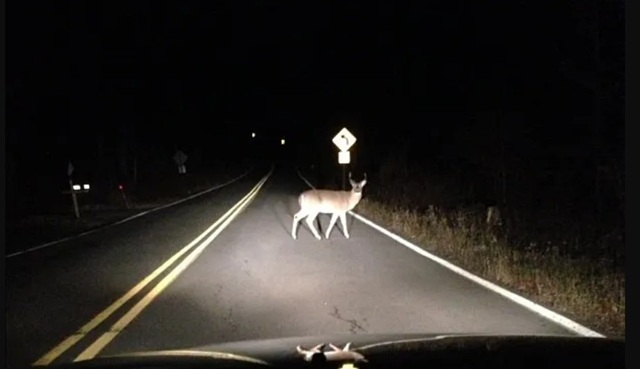
Deer-vehicle crashes are a major safety concern for Wisconsin motorists. There are 15,000 to 19,000 deer crashes annually on Wisconsin roadways. Taking precautions such as driving slower during the evening and nighttime hours and scanning roadsides for deer can help prevent collisions. Collisions between deer and cars skyrocket from October through December.
Deer are most active at dawn and dusk, particularly from 6:00 p.m. to 9:00 p.m. It’s important to stay alert and look for the reflection of deer eyes or silhouettes along the roadside. Deer travel in packs. If you see one cross safely, assume others are trailing right behind it. When there is no oncoming traffic, use your high beams to spot animals sooner. Dim them if a deer is directly on the road so they do not freeze.
On multi-lane roads, driving in the center lane gives you the most reaction time if an animal darts out. Only brake sharply and stop if there is no danger of being hit by following traffic; use your hazard lights. Try to come to a stop as far away from an animal as possible to enable it to leave the roadside without panic. If you find a deer looming in your headlights, don’t expect it to move away from the roadway because Headlights can confuse a deer and cause the animal to freeze.
If a collision with a deer is unavoidable, brake firmly and stay in your lane. Do not swerve. Swerving can confuse the deer as to where it should run and can also cause you to lose control of your vehicle, resulting in a more serious crash.
Place of the Week
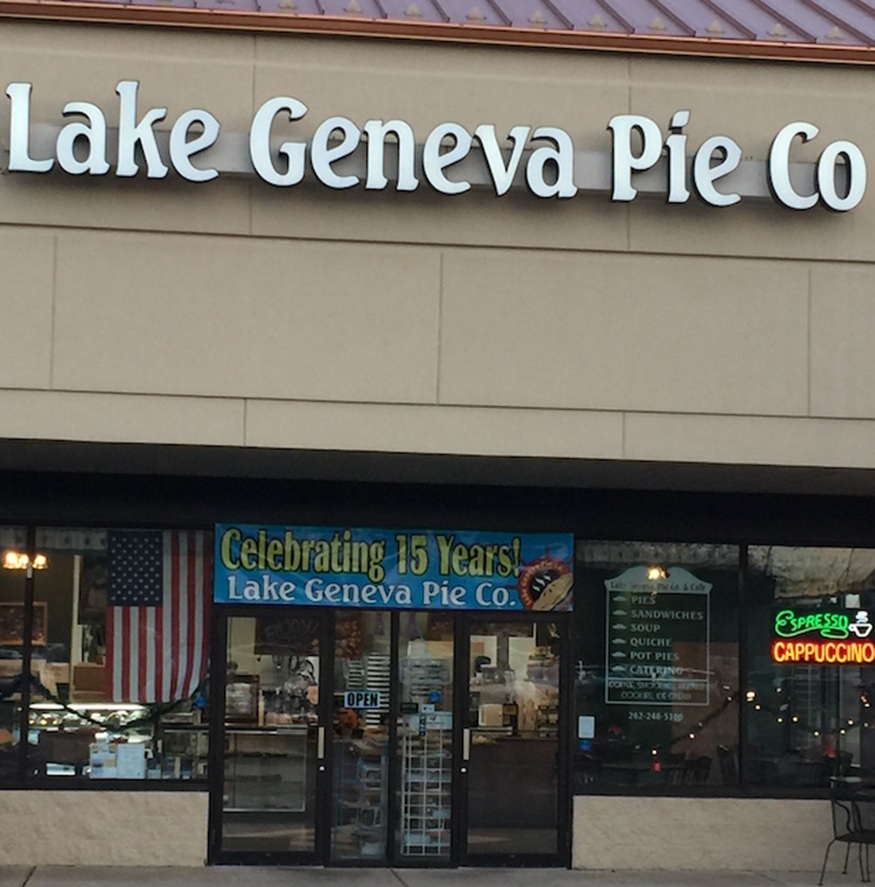
Lake Geneva Pie Co. is the perfect addition to your Thanksgiving meal. Don’t forget to order yours!


