

Front Page
THE BEST OF TIMES. THE WORST OF TIMES.
Charles Dickens wrote those words we’ve co-opted into the headline of this issue of the Geneva Shore Report. The novel, A Tale of Two Cities, was about those two phrases existing at the same time and the normalcy of such events back in earlier rough and tough London days.
Lake Geneva does not have bands of starving children running day and night amok through the alleys and streets, nor is it covered in inches of layered black soot from the burning of coal as the main heating and cooking fuel resource. In London, there was no indoor plumbing and not much more outdoors either; the slop from humans was mostly tossed into the streets to run off into the horridly polluted Thames River.
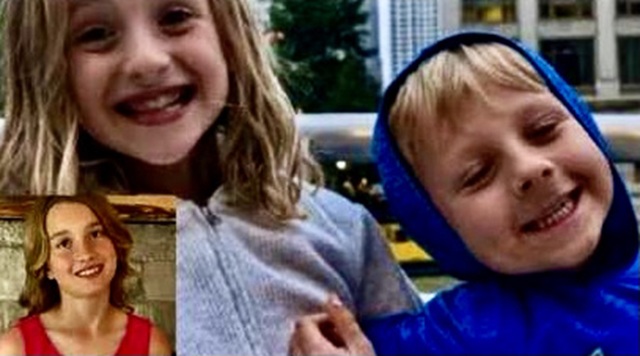
Lake Geneva and the other communities surrounding the lake have none of those issues, but now, more than a week from the storm, the city is still suffering the loss of the three children so tragically taken. ‘The slings and arrows of outrageous fortune,’ a quote penned by William Shakespeare, would seem to apply to these days. Last week, the publisher of the GSR wrote an article about the depth of feeling with respect to, particularly the locals who survive, following the loss of the kids. It bears repeating, not because that storm will be forgotten but because it gives us all a bit of relief to think of it inside of ourselves with the spirit and hurt that it was written from. “
The pain that cannot be considered pain. It’s too deep for that. The agony, the carved-out section of the aortic artery in your heart when the children die before their time, before your time, before anyone’s time. The loss on Lake Geneva a few days back of three elementary-aged children is so deep that the words here, the prayers to God for any relief, become less than meaningless. How do the grandparents go on? How do the parents proceed into a new world where their mental construct resembles the downtown of cities in Venezuela? We, those who stand on the shore of that beautiful lake, can still pray, and we pray for hope and for a lessening of the agony of the parents and grandparents and the other children. We pray without having any idea about how, praying to a God that can do anything, this being might somehow lessen that agony.
In that prayer, we ask Him to make His face shine down upon those survivors and their families with a faint but deep smile that will penetrate and allow them to have life again. Those of us at the GSR are praying: Catholics, Protestants, and even an atheist. We pray for what we know, the agony, and what we don’t know, the lessening of it. We pray for the police and fire officers who rendered resuscitation for a seemingly endless period of time, while knowing that their attempts would likely change nothing. Please God, step in and do what we have no way or idea of doing. We are not with those kids lost, but we can be with their parents and begin to accommodate a depth of post-traumatic stress unimaginable to most. Please God, with your smile down upon them, step in and do what only God can do.”
Geneva Lake has claimed many lives, mostly those due to ice fishing in winter but also occasionally to accidents while boating in better weather. One such loss was to Charles Gates Dawes, a Chicago banker and politician who rose to the highest levels of society. General Dawes, as he was commonly known, served Gen. John Pershing during World War I. His plan for relief after that war, the Dawes Plan, earned him the Nobel Peace Prize in 1925, the year after he was elected Vice President of the United States under Calvin Coolidge. While on break from Princeton University in 1912, Rufus Fearing Dawes, the General’s teenage son, drowned in Lake Geneva. General Dawes never fully recovered from that loss, just as the parents and grandparents, as well as the other children in the stricken families of the children lost, will never fully recover.
Lake Geneva and the other lakeside communities will recover, but the memory of what happened shall not be erased. A memorial should be considered by all the communities getting together in caring remembrance.


